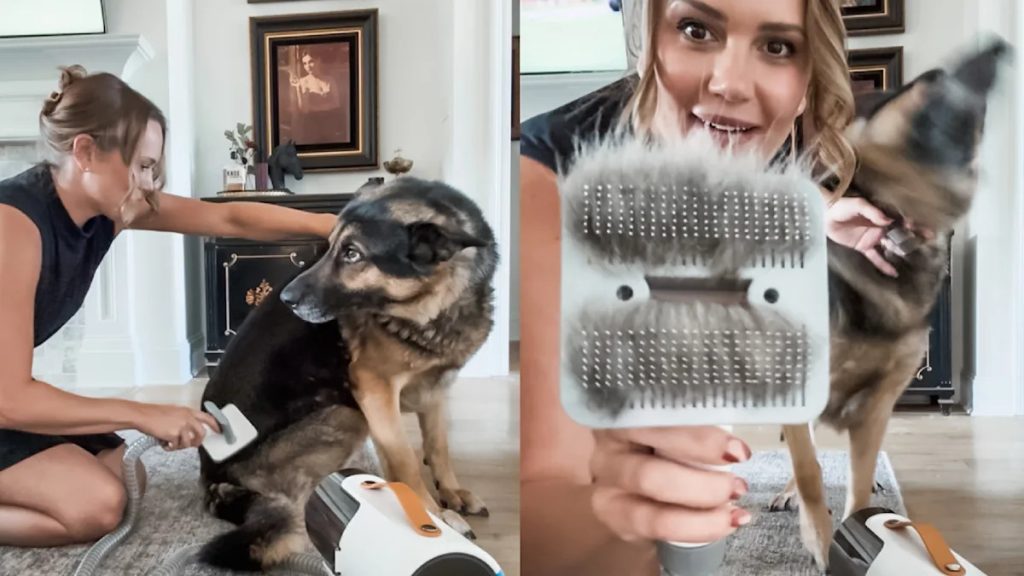
Grooming your dog yourself can save you time and money, while also strengthening the bond between you and your furry friend. But if you’re unsure where to start or worried about doing it wrong, you’re not alone.
This guide will walk you through simple, step-by-step tips to make grooming easy and stress-free for both you and your dog. By the end, you’ll feel confident handling everything from brushing to bathing, so your dog looks and feels their best.
Ready to become your dog’s personal groomer? Let’s dive in!
Essential Grooming Tools
Grooming your dog at home saves money and helps build a stronger bond. Using the right tools makes grooming easier and safer for your pet.
Each tool has a special job during grooming. Knowing what to use and how helps keep your dog clean and healthy.
Brushes And Combs
Brushes and combs remove dirt, loose hair, and tangles from your dog’s coat. They also help spread natural oils that keep fur shiny.
Choose a brush or comb based on your dog’s coat type. Regular brushing prevents mats and skin problems.
- Slicker brushes work well for curly or long hair
- Bristle brushes suit short-haired dogs
- Wide-tooth combs help detangle knots gently
- Fine-tooth combs remove fleas and debris
Clippers And Scissors
Clippers trim your dog’s fur quickly and evenly. Scissors help shape and clean small areas like around the ears and paws.
Use sharp and safe tools to avoid hurting your dog. Always clean the blades after use to keep them sharp.
- Electric clippers suit thick or long coats
- Safety scissors work well for sensitive spots
- Thinning shears help blend trimmed fur
- Choose quiet clippers to reduce your dog’s stress
Shampoo And Conditioner
Shampoo cleans dirt and oils from your dog’s skin and fur. Conditioner keeps the coat soft and easier to brush.
Pick products made for dogs. Human shampoos can irritate their skin and cause dryness.
- Use gentle, hypoallergenic shampoo for sensitive skin
- Choose conditioner for long or curly coats
- Rinse thoroughly to avoid residue
- Wash your dog as needed, not too often
Nail Clippers And Files
Trimming your dog’s nails keeps them healthy and prevents pain. Nail files smooth sharp edges after clipping.
Use the right size clipper for your dog’s nails. Be careful not to cut too close to the quick, the sensitive part inside the nail.
- Guillotine clippers work well for small to medium nails
- Scissor-style clippers suit large or thick nails
- Use a nail file to smooth rough edges
- Trim nails regularly to avoid overgrowth
Preparing Your Dog
Grooming your dog at home starts with good preparation. Getting your dog ready helps make grooming smooth and safe.
Taking time to prepare will keep your dog calm and cooperative throughout the process.
Choosing The Right Time
Pick a time when your dog feels relaxed and not too active. Avoid grooming after meals or playtime.
Choose a quiet time of day when you are not in a rush. This helps your dog stay calm and focused.
Creating A Calm Environment
Set up a quiet spot free from noise and distractions. This helps your dog feel safe and relaxed.
Use soft lighting and keep the area warm. Talk softly to your dog to build trust.
- Choose a quiet room
- Turn off loud devices
- Use a non-slip mat for safety
- Keep grooming tools ready and close
Brushing Before Bathing
Brush your dog’s coat before the bath to remove loose hair and tangles. This makes bathing easier.
Brushing helps spread natural oils and checks for any skin problems or ticks.
- Use a brush suited to your dog’s coat type
- Be gentle to avoid hurting your dog
- Pay attention to tangled or matted areas
- Brush all over the body, including legs and tail
Bathing Techniques
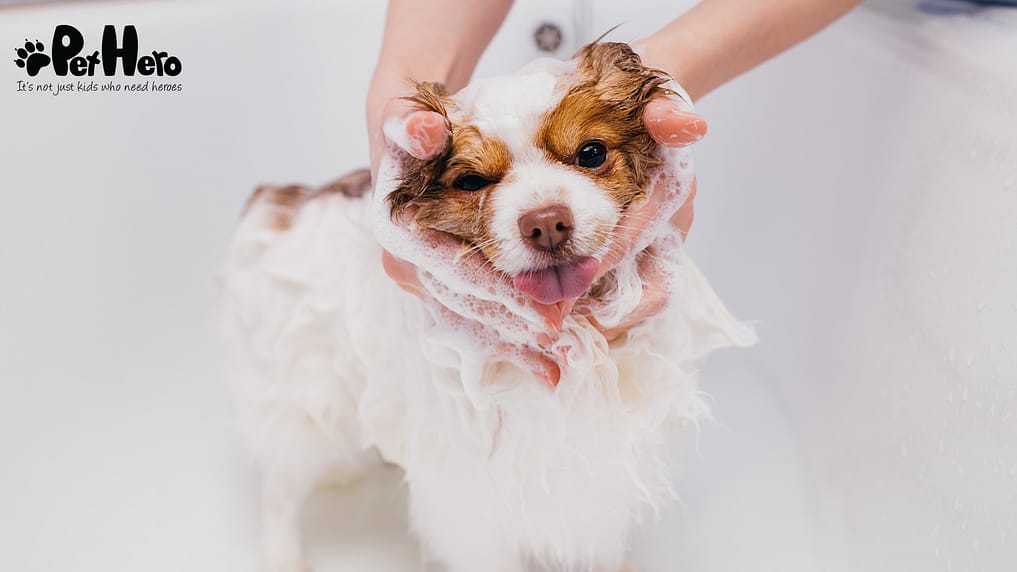
Bathing your dog yourself can be simple and comfortable for both of you. Using the right methods helps keep your dog clean and happy.
Focus on gentle care and the right tools. This guide covers water temperature, shampoo use, rinsing, and drying tips.
Selecting The Right Water Temperature
Water that is too hot or too cold can upset your dog. Use warm water that feels comfortable to your skin.
- Test water with your hand before wetting your dog
- Keep water temperature steady during the bath
- Adjust temperature for puppies or older dogs as they are sensitive
- Avoid sudden changes in water temperature
Applying Shampoo Properly
Use dog-friendly shampoo and avoid human products. Apply shampoo carefully to cover all areas without overdoing it.
| Area | How to Apply Shampoo |
| Neck and Chest | Massage gently using fingertips |
| Back and Sides | Use smooth strokes from front to back |
| Legs and Paws | Clean between toes and pads carefully |
| Tail and Rear | Be gentle and avoid direct contact with eyes |
Rinsing And Drying Tips
Rinse all shampoo out to prevent skin irritation. Dry your dog with care to keep them warm and comfortable.
- Use a towel to absorb most water first
- If using a hairdryer, keep it on low heat and low speed
- Keep the dryer moving to avoid hot spots
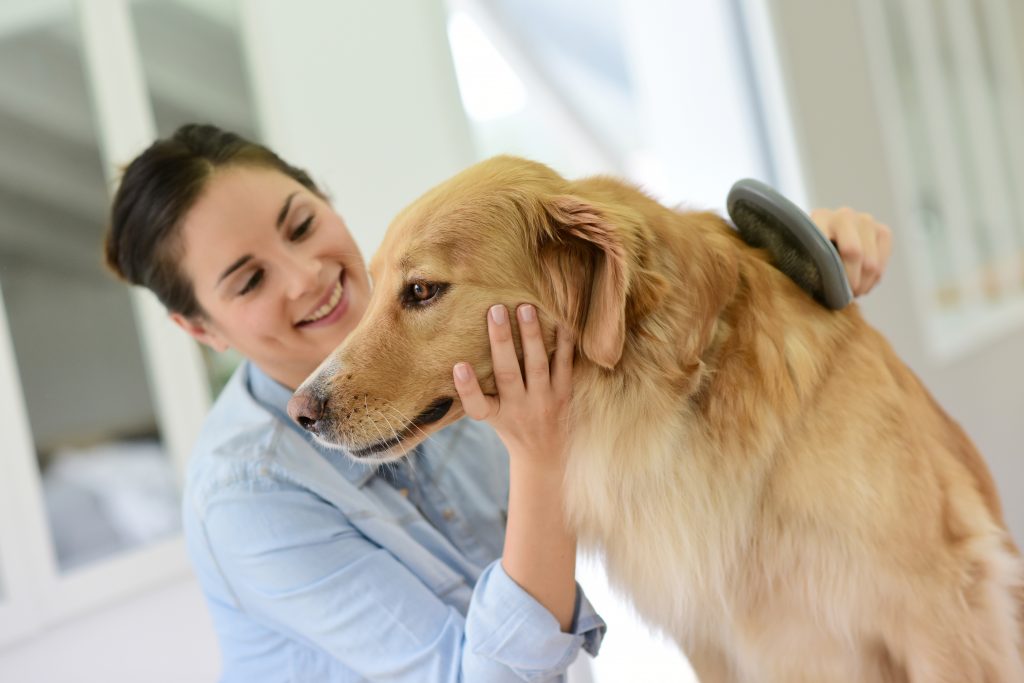
- Brush the coat while drying to prevent tangles
Credit: www.dogids.com
Brushing And Detangling
Grooming your dog at home helps keep their coat clean and healthy. Brushing removes loose fur and prevents mats. Detangling makes your dog more comfortable and keeps their fur shiny.
Regular brushing supports your dog’s skin health. Learning how to manage mats and use detangling sprays makes grooming easier for you and your pet.
Dealing With Matted Fur
Matted fur can hurt your dog’s skin and cause discomfort. Use a detangling spray before brushing to soften mats. Gently work through mats with a comb or your fingers. Never pull hard, as this can hurt your dog.
- Spray the matted area lightly with detangler
- Use a wide-tooth comb to loosen the mat
- Hold the fur close to the skin to reduce pulling
- Cut out severe mats carefully if needed
- Brush regularly to prevent new mats
Brushing Frequency For Different Coats
| Coat Type | Brushing Frequency |
| Short hair | Once a week |
| Medium hair | Two to three times a week |
| Long hair | Daily brushing |
| Curly or thick hair | Several times a week |
Following the right brushing schedule keeps your dog's coat healthy. Adjust frequency based on your dog’s coat type and activity level.
Using Detangling Sprays
Detangling sprays help loosen knots and protect fur during brushing. Spray on dry or damp fur before combing. Choose sprays made for dogs to avoid skin irritation.
- Test spray on a small area first
- Spray evenly over tangled spots
- Let it sit for a few minutes
- Comb gently starting at fur tips
- Use regularly to keep fur smooth
Trimming And Clipping
Grooming your dog at home is a great way to keep them clean and healthy. Trimming and clipping help control their hair length and shape.
With the right tools and care, you can safely trim your dog’s coat without stress. This guide will help you learn important grooming tips.
Safe Clipping Practices
Always use sharp, clean clippers to avoid pulling your dog’s hair. Dull blades can hurt your dog’s skin.
Clip in the direction of hair growth to prevent irritation. Take breaks if your dog seems nervous or restless.
- Check clipper blades for heat to avoid burns
- Keep your dog calm with gentle words and petting
- Clip in a well-lit and quiet area
- Use guards to control hair length
Shaping The Coat
Shaping your dog’s coat helps keep them looking neat and tidy. Trim slowly to create a smooth outline.
Use scissors or clippers to even out long hair and remove uneven patches. Blend edges for a natural look.
- Focus on the head, neck, and body first
- Trim legs and tail last for better control
- Use combs to lift hair while trimming
- Regular grooming keeps the coat healthy
Trimming Around Sensitive Areas
Be very gentle when trimming near eyes, ears, paws, and the private area. These spots can hurt easily.
Use small scissors or clipper guards to avoid cuts. Take your time and watch your dog’s reactions closely.
- Trim hair around eyes carefully to improve vision
- Clean and trim inside ears to prevent infections
- Cut hair between paw pads for comfort
- Trim private areas to keep them hygienic
Credit: pethero.co.za
Nail And Ear Care
Grooming your dog at home helps keep them healthy and happy. Nail and ear care are important parts of grooming.
Regular attention to nails and ears prevents pain and infections. You can learn simple ways to do this safely.
Proper Nail Trimming
Trim your dog’s nails carefully to avoid hurting them. Use sharp dog nail clippers made for pets.
Cut just the tip of the nail. Avoid the quick, which is the pink part inside the nail with blood vessels.
- Hold the paw firmly but gently
- Trim a small amount at a time
- Stop if you see a dark or pink spot
- File nails smooth after trimming
- Offer treats to keep your dog calm
Cleaning Ears Safely
Check your dog’s ears for dirt or wax buildup. Clean them only when needed to avoid irritation.
Use a vet-approved ear cleaner and cotton balls or pads. Do not use cotton swabs inside the ear canal.
- Apply cleaner to cotton, not directly in the ear
- Wipe the outer ear gently
- Do not push deep into the ear canal
- Let your dog shake off excess liquid
- Repeat if ears look dirty after a few days
Signs Of Infection
Look for signs that your dog’s ears or nails may be infected. Early care helps avoid serious problems.
- Redness or swelling in or around the ear
- Foul smell coming from the ears
- Excessive scratching or shaking of the head
- Discharge or crust in the ear canal
- Bleeding, cracks, or pain near the nails
- Difficulty walking or limping after nail trimming
Maintaining A Grooming Routine
Grooming your dog yourself helps keep them healthy and happy. A regular routine makes grooming easier over time.
By setting a schedule and watching your dog’s coat, you can spot problems early. You also learn how to adjust care as seasons change.
Scheduling Regular Sessions
Set a grooming schedule based on your dog’s breed and coat type. Some dogs need weekly brushing, others monthly baths.
- Choose a day and time that fits your routine
- Stick to the schedule to avoid matting and dirt buildup
- Keep grooming sessions short but consistent
- Use positive rewards to keep your dog calm
Monitoring Coat Health
Check your dog’s coat often for signs of dryness, mats, or skin problems. Healthy fur looks shiny and feels soft.
| Problem | Signs | Action |
| Dry Coat | Flaky skin, dull fur | Use moisturizing shampoo |
| Mats | Tangled, thick clumps | Gently brush or trim mats |
| Skin Issues | Redness, bumps, sores | Consult a vet promptly |
Adjusting Care For Seasons
Change your grooming routine as the weather changes. Dogs need different care in hot and cold months.
- Spring:Increase brushing to remove shedding fur.
- Summer:Bathe more often to cool down and clean dirt.
- Fall:Check for ticks and use flea prevention.
- Winter:Use moisturizing products to prevent dry skin.

Credit: freyathecockapoo.com
Frequently Asked Questions
How Often Should I Groom My Dog At Home?
Groom your dog every 4 to 6 weeks for most breeds. Regular grooming prevents matting and keeps skin healthy. Some long-haired breeds may need grooming every 2 to 3 weeks.
What Basic Tools Do I Need For Dog Grooming?
Essential tools include a slicker brush, comb, nail clippers, dog shampoo, and grooming scissors. These tools help maintain your dog’s coat, nails, and cleanliness effectively.
Can I Safely Trim My Dog’s Nails Myself?
Yes, you can trim nails carefully using proper dog nail clippers. Avoid cutting too close to the quick to prevent pain and bleeding. Start slow and reward your dog.
How Do I Bathe My Dog Without Causing Stress?
Use lukewarm water and dog-specific shampoo. Speak calmly and gently handle your dog. Rinse thoroughly to avoid irritation and dry your dog well after the bath.
Conclusion
Grooming your dog at home is rewarding. It strengthens your bond. Plus, it keeps your furry friend healthy and happy. With patience and practice, it gets easier. Use the right tools. Stay calm and gentle. Your dog will appreciate the attention and care.
Regular grooming helps spot health issues early. Saves on professional grooming costs too. You become more confident with each session. So, start small and enjoy the process. Your dog will love the time spent together. Happy grooming!

Emily Barker is the founder of ChillDogLife.com, a space dedicated to helping pup parents discover the best dog products, lifestyle tips, and cozy ideas for happier homes.
A lifelong dog lover, Emily combines her passion for pets with a knack for research to share trusted recommendations on everything from toys and furniture to health and everyday care.
Her goal is simple: to make life easier, stylish, and more joyful for dogs and the people who love them.




