
Are you tired of restless nights worrying about your dog’s sleeping habits? Training your dog to sleep in a crate might just be the solution you need.
Imagine a peaceful night with your furry friend cozy and secure in their own space, giving you both the rest you deserve. Crate training not only helps in housebreaking but also provides your dog with a safe haven, reducing anxiety and fostering a sense of security.
If you’re wondering how to make this transition smooth and stress-free for both you and your pet, you’re in the right place. Stick around to discover simple yet effective techniques that will have your dog loving their crate in no time.
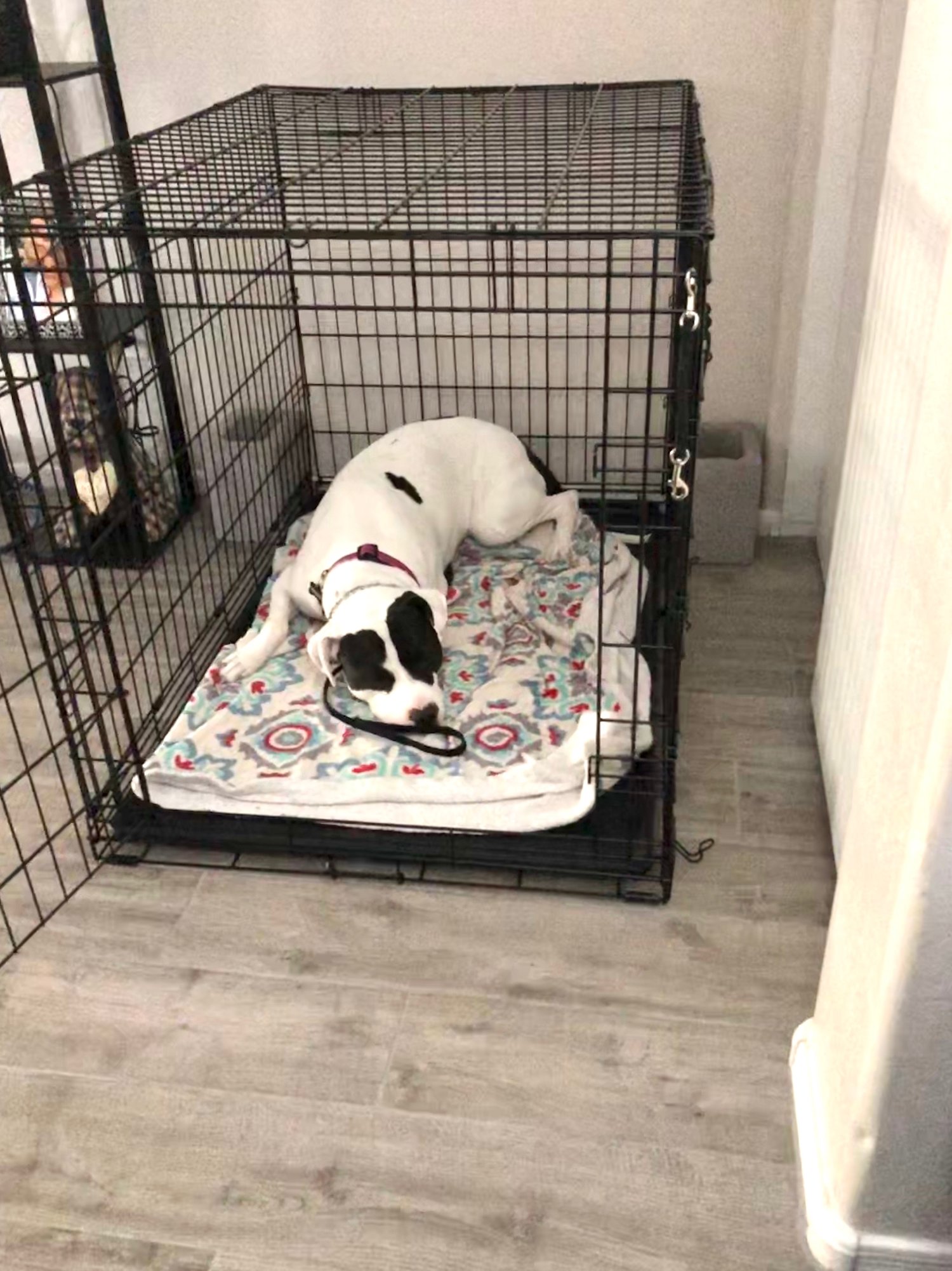
Credit: www.sadiesrulesk9training.com
Benefits Of Crate Training
Crate training helps dogs learn to feel safe and calm in a small space. It also makes it easier for owners to manage their pets.
This training method improves a dog's behavior and creates a routine for sleeping and resting. Many dogs enjoy having their own quiet place.
Creates A Safe Space
A crate acts as a personal den for your dog. It gives them a quiet place to relax and feel secure.
Dogs naturally like having a small, cozy area to call their own. The crate offers this safe retreat.
Helps With House Training
Crate training teaches dogs to hold their bladder and bowels. Dogs avoid soiling their sleeping area.
This habit speeds up potty training and reduces accidents in the house. It sets clear boundaries for dogs.
Prevents Destructive Behavior
Dogs left alone often chew or scratch furniture. A crate limits their access to household items.
This reduces damage and keeps your dog safe from harmful objects. It helps control bad habits.
Makes Travel Easier
Many dogs feel less stressed when traveling if they have a crate. It feels like their own space even on the road.
Using a crate in cars or airplanes helps keep dogs calm and secure during trips.
Supports Routine And Calmness
Crate training helps dogs learn a daily routine. They know when it is time to rest or sleep.
Having a quiet place reduces anxiety and helps dogs settle down after play or exercise.
Choosing The Right Crate
Choosing the right crate is important for training your dog to sleep there. The crate should be comfortable and safe. This helps your dog feel secure and relaxed.
Think about the size and material of the crate. Also, pick a good location for the crate in your home. These choices make a big difference in your dog’s crate training success.
Size And Material
The crate must be the right size for your dog. It should be big enough for your dog to stand, turn around, and lie down comfortably. Too big or too small crates can cause problems.
- Measure your dog’s length and height before buying.
- Choose a crate with solid, safe material like plastic or metal.
- Plastic crates offer privacy and warmth.
- Metal crates provide good ventilation and visibility.
- Soft crates work for small dogs but are less durable.
Location Tips
Place the crate in a quiet and calm area. Avoid noisy places or direct sunlight. The spot should feel like part of the family space to prevent loneliness.
| Location | Why It Works |
|---|---|
| Living room | Dog feels part of family activities |
| Bedroom corner | Comfort and closeness at night |
| Quiet hallway | Less noise and distractions |
| Avoid kitchens | Too much activity and danger |
Preparing The Crate
Training your dog to sleep in a crate needs a calm, cozy space. Preparing the crate right helps your dog feel safe and relaxed.
Start by choosing the right size crate. It should be big enough for your dog to stand, turn, and lie down comfortably.
Comfortable Bedding
Soft bedding makes the crate inviting. Use a dog bed or a soft blanket to create a warm place to rest.
Keep the bedding clean and dry. Wash it often to keep your dog healthy and happy.
- Choose washable bedding
- Pick materials that do not irritate skin
- Ensure bedding fits well inside the crate
Adding Toys And Treats
Toys help your dog feel at ease in the crate. Chew toys and soft toys can keep them busy and calm.
Place treats in the crate to create a positive feeling. Treats encourage your dog to enter and stay in the crate.
- Use safe chew toys
- Hide treats inside toys for fun
- Give treats only inside the crate
Introducing Your Dog To The Crate
Crate training helps dogs feel safe and comfortable. It also makes house training easier.
Start by making the crate a positive place. Let your dog explore it at their own pace.
Positive Associations
Help your dog like the crate by giving treats and toys inside it. This builds good feelings.
Never force your dog into the crate. Let them enter freely to feel safe and happy.
- Place tasty treats inside the crate
- Use favorite toys to encourage entry
- Speak softly and praise your dog near the crate
- Feed meals inside or near the crate
Gradual Exposure
Introduce your dog to the crate slowly. Start with short periods and increase time step by step.
Keep the crate door open at first. Let your dog go in and out without pressure.
- Begin by sitting near the crate with the door open
- Encourage your dog to enter using treats
- Close the door for a few seconds once your dog is inside
- Gradually extend the time the door stays closed
- Stay nearby to reassure your dog
Establishing A Sleep Routine
Training your dog to sleep in a crate needs a clear routine. Dogs feel safe when they know what to expect. A sleep routine helps your dog relax and settle down at night.
Setting up a bedtime routine makes crate training easier. Your dog will learn to see the crate as a calm, cozy place to rest.
Consistent Bedtime
Keep your dog’s bedtime the same every night. A regular sleep time helps the dog’s body clock adjust. This makes it easier for your dog to fall asleep in the crate.
Try to start the bedtime routine at the same time. This builds a habit and reduces stress for your dog.
- Feed your dog at a set time each evening
- Take your dog outside for a bathroom break before bedtime
- Put your dog in the crate at the same time every night
- Turn off bright lights and loud noises near the crate
Calming Activities
Help your dog relax before bedtime with calm activities. This makes the crate feel like a peaceful place to sleep.
Use quiet, gentle actions to calm your dog. Avoid exciting games or loud sounds near bedtime.
- Gently pet or brush your dog near the crate
- Speak softly to soothe your dog
- Offer a favorite chew toy or blanket inside the crate
- Play soft music or white noise to block distractions

Credit: www.care.com
Handling Resistance And Anxiety
Training a dog to sleep in a crate can cause resistance and anxiety. Many dogs feel unsure about the crate at first. It is important to handle this with care.
Using calm and gentle methods helps your dog feel safe. Patience is key for building trust during crate training.
Soothing Techniques
Calm your dog using soothing techniques to reduce fear. These methods help your dog relax inside the crate.
- Speak softly and use a gentle tone near the crate
- Give your dog a favorite blanket or toy inside
- Use a calm, consistent routine before bedtime
- Try playing soft music or white noise near the crate
- Offer treats when your dog enters the crate calmly
Avoiding Negative Reinforcement
Never force or punish your dog for resisting the crate. Negative actions cause more anxiety and slow learning.
| What to Avoid | Better Approach |
|---|---|
| Yelling or scolding your dog | Speak calmly and use gentle praise |
| Forcing your dog inside the crate | Use treats and positive encouragement |
| Leaving your dog alone in the crate too soon | Gradually increase crate time with company |
| Using the crate for punishment | Make the crate a safe, happy space |
Nighttime Crate Training Tips
Training your dog to sleep in a crate at night helps create a safe space. It also makes nights calmer for both of you.
Using the right tips can reduce stress and help your dog settle quickly in the crate.
Managing Bathroom Breaks
Young dogs often need bathroom breaks during the night. Plan these breaks to avoid accidents and help your dog learn routine.
- Limit water intake an hour before bedtime.
- Take your dog outside right before placing them in the crate.
- Set an alarm for a bathroom break if your dog is very young.
- Keep breaks calm and quiet to avoid excitement.
- Return your dog to the crate immediately after the break.
Dealing With Whining
Whining is common when dogs adjust to crate training. It is important to respond correctly to help them settle.
| Whining Cause | What to Do |
|---|---|
| Needing to go outside | Take your dog out for a quick bathroom break. |
| Seeking attention | Ignore the whining to avoid rewarding it. |
| Feeling anxious | Try soft words and gentle pats through the crate bars. |
| Physical discomfort | Check if the crate is comfortable and safe. |

Credit: www.youtube.com
Monitoring Progress And Adjusting
Training your dog to sleep in a crate takes time and patience. It is important to watch how your dog reacts and changes during the process.
By tracking your dog’s progress, you can make smart changes to improve the training. This helps your dog feel safe and comfortable.
Tracking Sleep Patterns
Keep notes on when your dog falls asleep and wakes up in the crate. Notice if your dog seems restless or calm during sleep time.
Tracking sleep helps you see if the crate is a good resting place. It also shows if your dog needs more time to adjust.
- Record sleep start and end times each night
- Note any whining or barking during the night
- Watch for signs of comfort like relaxed body posture
- Check if your dog avoids the crate during the day
When To Increase Crate Time
Once your dog sleeps well in the crate, slowly increase the time spent inside. Make sure your dog feels safe before adding more time.
Do not rush to increase crate time if your dog is anxious or restless. Gradual steps help your dog build trust and comfort.
- Start with short periods during the day
- Watch for calm behavior before adding more time
- Increase crate time by 10 to 15 minutes every few days
- Stop increasing if your dog shows signs of stress
- Reward calm and quiet behavior in the crate
Frequently Asked Questions
How Long Does Crate Training Take For Dogs?
Crate training usually takes one to two weeks. Consistent daily sessions and positive reinforcement help dogs adjust faster. Patience is key to success.
What Size Crate Is Best For My Dog?
Choose a crate that fits your dog comfortably. It should be large enough to stand, turn, and lie down. Avoid crates that are too big or too small.
How Do I Make The Crate Comfortable For My Dog?
Add a soft blanket or bed inside the crate. Include favorite toys and keep it in a quiet, safe area. Comfort helps dogs feel secure and relaxed.
Can Crate Training Reduce My Dog’s Anxiety?
Yes, crate training can create a safe space, reducing anxiety. Gradual introduction and positive experiences build your dog’s trust and calmness over time.
Conclusion
Training your dog to sleep in a crate takes time and patience. Keep the crate comfortable and safe. Use treats and praise to encourage good behavior. Stay calm and consistent every night. Your dog will learn to see the crate as a cozy, quiet space.
This helps with better sleep for both of you. Remember, small steps lead to big progress. Enjoy the journey of building trust and comfort together.

Emily Barker is the founder of ChillDogLife.com, a space dedicated to helping pup parents discover the best dog products, lifestyle tips, and cozy ideas for happier homes.
A lifelong dog lover, Emily combines her passion for pets with a knack for research to share trusted recommendations on everything from toys and furniture to health and everyday care.
Her goal is simple: to make life easier, stylish, and more joyful for dogs and the people who love them.




