
Are you considering a raw food diet for your furry friend? Feeding raw food to dogs is a trend that’s gaining popularity among pet owners who want the best for their companions.
But with so many questions buzzing around, you might feel overwhelmed. What’s the right balance? How do you ensure your dog gets all the nutrients they need? And, most importantly, how do you start without making mistakes? In this guide, you’ll discover everything you need to confidently transition your dog to a raw food diet.
Get ready to unlock the secrets to a healthier, happier pet while avoiding common pitfalls. Keep reading to give your dog the diet they deserve, and see the transformation unfold right before your eyes.

Credit: primalpetfoods.com
Benefits Of Raw Feeding
Feeding dogs raw food has many health benefits. It can improve how your dog feels and acts. Many dog owners see positive changes after switching to a raw diet.
Raw feeding means giving your dog uncooked meat, bones, and vegetables. This diet matches what dogs eat in the wild. It helps dogs stay healthy and strong.
Improved Digestion
Raw food is easy for dogs to digest. It contains natural enzymes that help break down food. This leads to better nutrient absorption and less stomach upset.
Healthier Coat And Skin
Raw feeding supports shiny coats and healthy skin. The natural fats and oils in raw meat improve hair quality. Dogs often have less itching and dryness with this diet.
- Rich in omega-3 and omega-6 fatty acids
- Reduces skin allergies and irritations
- Promotes natural oil production for the skin
Increased Energy Levels
Dogs eating raw food often show more energy and playfulness. The diet provides high-quality proteins and fats. These nutrients fuel your dog’s daily activities and stamina.
Better Dental Health
Raw food helps keep your dog’s teeth clean. Chewing raw bones removes plaque and tartar. This lowers the risk of gum disease and bad breath.
| Benefit | How Raw Feeding Helps |
| Dental Cleaning | Chewing raw bones scrapes away plaque |
| Gum Health | Reduces inflammation and infection risks |
| Breath | Less bad odor from cleaner teeth |
Essential Components Of A Raw Diet
Feeding your dog a raw diet means giving them natural, whole foods. This diet needs careful balance to keep your dog healthy.
Each part of the raw diet has a special role. Knowing these parts helps you feed your dog the right way.
Muscle Meat
Muscle meat is the main part of a raw diet. It provides protein and energy for your dog.
Good choices include beef, chicken, turkey, and lamb. Always use fresh, high-quality meat.
Organ Meat
Organ meat gives important vitamins and minerals. Liver, kidney, and heart are common options.
- Liver: rich in vitamin A and iron
- Kidney: contains vitamin B12 and riboflavin
- Heart: good source of taurine and CoQ10
Bones
Raw bones add calcium and help keep teeth clean. Use only raw, never cooked bones.
| Type | Benefits |
| Chicken necks | Easy to chew and digest |
| Beef ribs | Good for large dogs |
| Pork bones | High in calcium |
Vegetables And Fruits
Vegetables and fruits add fiber and vitamins. They support digestion and immunity.
- Carrots
- Spinach
- Apples (without seeds)
- Blueberries
Supplements
Supplements fill in any nutrient gaps. Fish oil and vitamin E are common choices.
Use supplements carefully. Talk to a vet to avoid giving too much or too little.
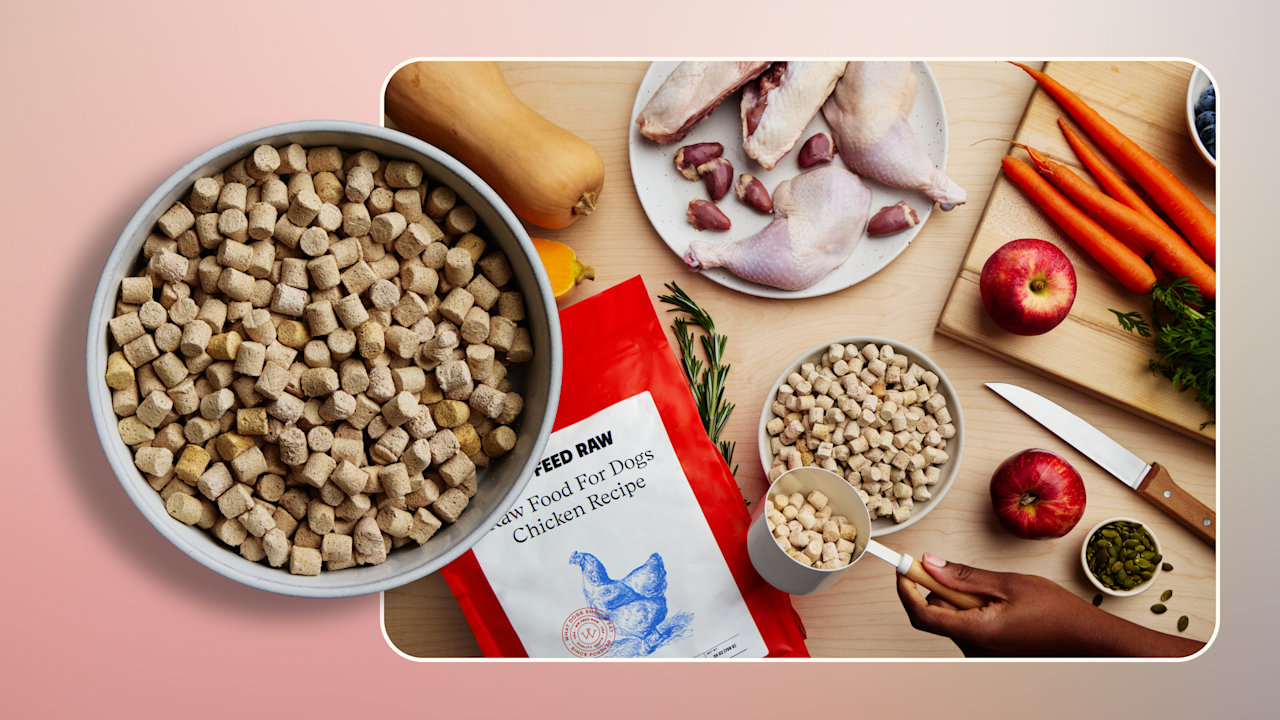
Choosing Quality Ingredients
Feeding your dog raw food needs care. The right ingredients keep your dog healthy and happy.
Choose fresh and safe ingredients. This helps your dog get the right nutrients.
Selecting Fresh Meat
Pick fresh meat from trusted sources. Fresh meat has more nutrients and fewer bacteria.
Look for meat that is bright in color and smells clean. Avoid meat that looks slimy or has a bad smell.
- Choose beef, chicken, turkey, or lamb from quality butchers
- Check the sell-by date and packaging
- Use meat that is free of preservatives
Sourcing Organic Produce
Organic fruits and vegetables are safer for dogs. They have fewer pesticides and chemicals.
Buy organic produce from farmers’ markets or stores. Wash all produce well before feeding your dog.
- Choose carrots, spinach, and sweet potatoes for raw meals
- Organic produce supports your dog’s immune system
- Always wash to remove dirt and germs
Avoiding Harmful Additives
Check ingredients to avoid harmful additives. Some additives can make dogs sick or cause allergies.
Feed your dog plain, natural foods. Avoid salt, sugar, spices, and artificial chemicals.
- Read labels carefully on all products
- Avoid preservatives and flavor enhancers
- Use fresh, whole ingredients only
Credit: wefeedraw.com
Preparing Raw Meals Safely
Feeding dogs raw food can be healthy if done right. Safety is very important when preparing raw meals.
Proper handling, storage, and portion control help keep your dog safe and happy.
Handling And Storage Tips
Always wash your hands before and after touching raw meat. Use clean utensils and bowls only for raw food.
Store raw meat in sealed containers. Keep it in the coldest part of your fridge or freezer.
- Keep raw meat separate from other foods
- Use airtight containers to prevent leaks
- Label containers with the date
- Defrost meat in the fridge, not on counters
Maintaining Cleanliness
Clean all surfaces after preparing raw meals. Use hot soapy water or disinfectant to kill germs.
Wash your dog’s bowls and utensils daily. This stops bacteria from growing and spreading.
- Use separate cutting boards for raw meat
- Sanitize counters and sinks after use
- Wash your hands thoroughly
- Keep pets away from preparation areas
Portion Control
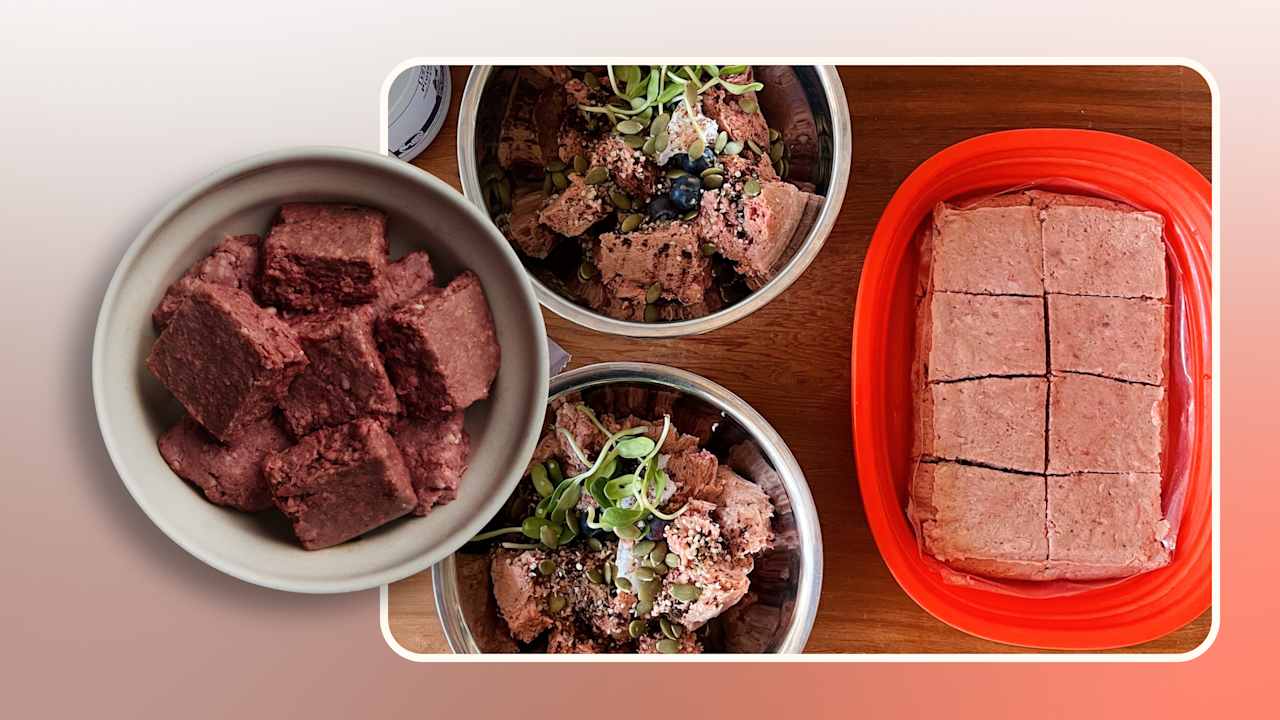
Feed your dog the right amount of food based on size and activity. Overfeeding can cause health problems.
Divide raw meals into daily portions. Freeze extra meals in single servings to keep them fresh.
- Calculate food by weight and calorie needs
- Feed smaller meals several times a day
- Store portions in labeled bags or containers
- Adjust portions as your dog grows or changes
Transitioning Your Dog To Raw Food
Switching your dog to a raw food diet takes time and care. This helps your dog adjust well.
Start slowly to avoid stomach problems and keep your dog happy.
Gradual Introduction
Begin by mixing small amounts of raw food with your dog’s current food. Increase the raw food bit by bit.
This slow change helps your dog get used to new tastes and textures.
- Start with 10% raw food mixed with 90% regular food
- Increase raw food by 10% every few days
- Watch your dog’s interest and appetite during the change
Monitoring Reactions
Check how your dog feels after eating raw food. Look for signs like energy and digestion.
Note any changes in stool, vomiting, or itching. These signs show how well your dog adjusts.
- Observe your dog’s stool for consistency and smell
- Look for vomiting or diarrhea as warning signs
- Watch for skin or coat changes
- Contact a vet if reactions last more than a few days
Adjusting Portions
Feed the right amount of raw food based on your dog’s size and activity. Adjust as needed.
Too much food can cause weight gain. Too little may leave your dog hungry.
| Dog Size | Daily Raw Food Amount |
|---|---|
| Small (under 20 lbs) | 1/4 to 1/3 pound |
| Medium (20-50 lbs) | 1/2 to 1 pound |
| Large (50-90 lbs) | 1 to 2 pounds |
| Extra Large (over 90 lbs) | 2+ pounds |
Common Challenges And Solutions
Feeding raw food to dogs can be rewarding but also comes with challenges. Understanding these helps keep your dog healthy and happy.
This guide covers common problems pet owners face and ways to solve them effectively.
Picky Eaters
Some dogs refuse to eat raw food at first. They may be used to kibble or cooked meals.
To encourage your dog, try mixing raw with their current food. Gradually increase raw portions over time.
- Start with small amounts of raw food
- Mix raw food with favorite treats
- Offer fresh and varied ingredients
- Keep feeding times consistent
Nutritional Imbalances
Raw diets can lack certain nutrients if not planned well. Dogs need a balance of protein, fat, vitamins, and minerals.
Consult a veterinarian or pet nutritionist to create a complete diet. Use supplements if needed to fill gaps.
- Include muscle meat, organs, and bones
- Add vegetables and fruits for vitamins
- Use fish oil or other supplements
- Rotate ingredients to cover all nutrients
Cost Considerations
Raw food can be more expensive than commercial dog food. High-quality meat and fresh ingredients cost more.
Plan meals carefully and buy in bulk. Use local sources or frozen items to save money without lowering quality.
- Buy meat in larger quantities for discounts
- Choose less expensive cuts suitable for dogs
- Freeze portions to reduce waste
- Shop at farmers markets or local butchers
Consulting With Veterinarians
Feeding raw food to dogs needs careful planning. Talking to a vet helps keep your dog safe and healthy.
A vet can guide you on how to start and maintain a raw diet. They watch for health changes and suggest adjustments.
Choosing The Right Vet
Select a vet who understands raw feeding. They should support natural diets and know nutrition well.
- Look for vets with experience in raw food diets
- Ask about their knowledge of dog nutrition
- Check if they offer regular diet consultations
- Find vets who are open to alternative feeding methods
Regular Health Checkups
Schedule regular vet visits to monitor your dog’s health. This helps spot any problems early.
| Checkup Type | Purpose | Frequency |
| Physical Exam | Check weight, coat, and teeth | Every 6 months |
| Blood Tests | Monitor organ function and nutrition | Once a year |
| Parasite Screening | Detect worms and infections | Every 6 months |
Tailoring Diet To Specific Needs
Work with your vet to adjust the raw diet to your dog’s unique needs. Age, breed, and health affect diet choices.
- Consult on portion sizes for your dog’s weight
- Adjust protein and fat levels for activity
- Include supplements if needed
- Modify diet for allergies or illnesses
Credit: wefeedraw.com
Frequently Asked Questions
What Are The Benefits Of Feeding Raw Food To Dogs?
Raw food improves digestion, boosts energy, and promotes shiny coats. It provides natural nutrients and reduces allergies. Many dogs show better dental health and weight management on a raw diet.
How To Safely Prepare Raw Food For Dogs?
Use fresh, high-quality ingredients and maintain hygiene. Wash hands and surfaces thoroughly. Portion meals according to your dog’s size. Consult a vet to ensure balanced nutrition and avoid harmful bacteria.
Can Puppies Eat Raw Food Diets Safely?
Yes, puppies can eat raw diets if properly balanced. Ensure meals contain essential nutrients for growth. Consult your vet before transitioning to avoid deficiencies or digestive issues.
What Proteins Are Best For Raw Dog Food?
Chicken, beef, turkey, and lamb are popular raw proteins. Include organ meats like liver for vitamins. Variety ensures balanced nutrition and keeps dogs interested in meals.
Conclusion
Feeding raw food to dogs can improve their health and energy. Start slowly and watch how your dog reacts. Choose fresh, clean ingredients every time. Keep safety in mind to avoid any risks. Consult your vet to ensure a balanced diet.
Raw feeding takes time but can be worth it. Your dog may enjoy tastier, more natural meals. Stay patient and adjust as needed. Healthy dogs make happy pets. Give raw food a careful try today.

Emily Barker is the founder of ChillDogLife.com, a space dedicated to helping pup parents discover the best dog products, lifestyle tips, and cozy ideas for happier homes.
A lifelong dog lover, Emily combines her passion for pets with a knack for research to share trusted recommendations on everything from toys and furniture to health and everyday care.
Her goal is simple: to make life easier, stylish, and more joyful for dogs and the people who love them.




