Bringing a Labrador Retriever puppy into your home is exciting, but training them can feel overwhelming. You want your puppy to grow into a well-behaved, happy dog, but where do you start?
The good news is, with the right tips and a little patience, training your Labrador can be easier than you think. You’ll discover simple, effective strategies that will help you build a strong bond with your puppy and guide them toward good behavior.
Keep reading—you’re just a few steps away from turning your playful pup into a loyal companion you can be proud of.
Choosing The Right Training Approach
Training a Labrador Retriever puppy is a key part of its growth. Picking the right method helps your puppy learn faster. The right approach builds trust and good habits.
This guide covers three important points for training: positive reinforcement, patience, and setting goals. These help make training easier and more fun.
Positive Reinforcement Techniques
Positive reinforcement uses rewards to encourage good behavior. Treats, praise, and playtime work well. This makes your puppy want to repeat good actions.
- Give a treat immediately after good behavior.
- Use a happy voice to praise your puppy.
- Play with your puppy as a reward.
- Keep training sessions short and fun.
Consistency And Patience
Training takes time and steady effort. Be patient and keep rules the same every day. This helps your puppy understand what you expect.
| Tip | Why It Matters |
|---|---|
| Use the same commands | Prevents confusion and speeds learning |
| Train at the same time daily | Builds routine and focus |
| Stay calm and gentle | Keeps your puppy relaxed and willing |
Setting Realistic Goals
Set small, clear goals for each training session. This helps track progress and keeps your puppy motivated. Avoid pushing too hard or too fast.
- Start with simple commands like “sit” and “stay.”
- Practice new skills in short sessions daily.
- Celebrate small wins with treats and praise.
- Move to harder tasks only when basics are clear.
Housebreaking Essentials
Training a Labrador Retriever puppy to be housebroken takes patience and care. It helps your puppy learn where and when to go potty.
Using simple steps and watching your puppy closely makes this process easier for both of you.
Creating A Potty Schedule
Set specific times to take your puppy outside. This helps build good habits and reduces accidents.
Take your puppy out after meals, naps, and playtime. Consistency is key to success.
- First thing in the morning
- After eating or drinking
- After naps or play sessions
- Before bedtime
Recognizing Signs And Signals
Learn to spot when your puppy needs to go potty. Early signs help you act quickly and avoid messes.
Common signals include sniffing, circling, whining, or heading toward the door.
- Sniffing around the floor
- Walking in circles
- Sudden restlessness
- Whining or barking
- Going to the door
Accident Management
Accidents happen. Stay calm and clean the area well to stop your puppy from using the same spot again.
Use an enzyme cleaner to remove all smells. Avoid punishment as it can cause fear and confusion.
- Clean with enzyme-based cleaner
- Do not yell or punish your puppy
- Take puppy outside often
- Reward good potty behavior
Basic Commands To Teach
Training a Labrador Retriever puppy starts with teaching basic commands. These commands help your puppy learn good behavior and stay safe.
Use simple words and repeat commands often. Consistency is key to successful training with your puppy.
Sit, Stay, And Come
Teaching your puppy to sit, stay, and come builds control and trust. These commands are the foundation for good manners.
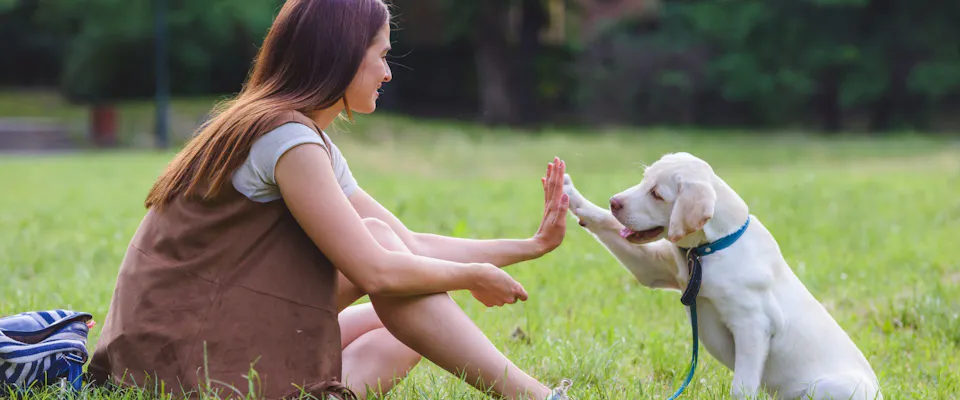
- Sit:Hold a treat above your puppy’s nose and move it back. When the puppy sits, say “sit” and give the treat.
- Stay:Ask your puppy to sit. Show your palm and say “stay.” Take a step back, then return and reward if the puppy stays.
- Come:Use a happy tone and say “come.” Gently pull the leash or pat your legs to encourage your puppy to come to you.
Leash Training Basics
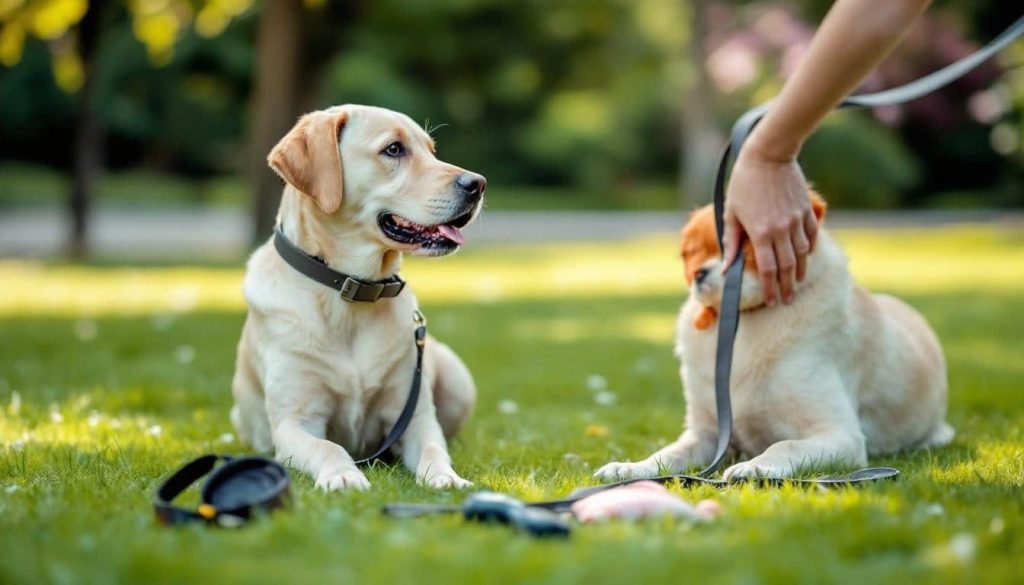
Leash training helps your puppy walk nicely without pulling. Start indoors in a quiet space before going outside.
| Tip | How to Do It |
| Choose the right leash | Use a lightweight leash for better control. |
| Let puppy get used to leash | Put the leash on your puppy inside the house for short times. |
| Use treats for loose leash | Reward your puppy when the leash stays loose during walks. |
| Stop when pulling | Stop walking if your puppy pulls. Move only when leash is loose. |
Socialization With People And Pets
Socializing your puppy helps it become friendly and confident. Introduce your puppy to new people and pets safely.
Use these tips for socialization:
- Invite friends over to meet your puppy calmly.
- Visit parks where dogs are friendly and vaccinated.
- Keep first meetings short and positive.
- Watch your puppy’s body language to avoid stress.
- Reward good behavior with praise or treats.

Credit: www.amazon.com
Handling Common Behavioral Issues
Labrador Retriever puppies are friendly and playful. They may show some common behavior problems. Training can help fix these issues early.
This guide covers chewing and biting, excessive barking, and separation anxiety. Each section has tips for better puppy behavior.
Chewing And Biting
Puppies chew and bite to explore and relieve teething pain. Teach them what is okay to chew and what is not. Use toys to redirect chewing.
- Give chew toys made for puppies.
- Say “no” firmly when they bite hands.
- Offer a toy if they start biting furniture.
- Praise your puppy for chewing toys only.
Excessive Barking
Barking is normal, but too much can be a problem. Your puppy may bark for attention or when scared. Keep calm and avoid shouting back.
| Cause | Solution |
| Attention seeking | Ignore until quiet, then praise |
| Fear or anxiety | Comfort gently, avoid loud noises |
| Boredom | Give toys and daily exercise |
Separation Anxiety
Some puppies get upset when left alone. They may cry or chew things. Help your puppy feel safe when you leave.
Try these tips to ease anxiety:
- Give a special toy only when you leave.
- Practice short separations first.
- Keep departures calm and quiet.
- Use a comfortable crate or safe space.
- Offer treats when you return.
Exercise And Mental Stimulation
Labrador Retriever puppies need both exercise and mental challenges. This helps them grow strong and smart.
Regular activity stops boredom and keeps your puppy happy. Mental tasks improve their focus and behavior.
Daily Activity Recommendations
Young Labradors need about 30 to 60 minutes of exercise each day. This should be in short sessions to avoid tiring them.
Mix walking, running, and gentle play to keep your puppy active. Avoid hard exercise on rough ground.
- Two short walks a day, 15-20 minutes each
- Play fetch or tug-of-war indoors or outside
- Allow time for free play to explore safely
Interactive Toys And Games
Toys that challenge your puppy’s mind help reduce chewing and barking. Choose toys that hide treats or require problem solving.
Rotate toys to keep your Labrador interested. Interactive games help build good habits and focus.
- Treat-dispensing balls
- Puzzle feeders that need moving parts
- Chew toys that last long
- Soft toys for gentle play
Training Through Play
Play is a great way to train your Labrador puppy. Use fun activities to teach commands and good manners.
Short, positive sessions help puppies learn better. Use toys and treats to reward good behavior during play.
- Practice “sit” and “stay” during playtime
- Use fetch to teach “come” and “drop it”
- Reward calm behavior with gentle petting
- End each session with praise and rest

Credit: m.youtube.com
Nutrition And Health Tips
Raising a Labrador Retriever puppy requires attention to its nutrition and health. A well-balanced diet and regular check-ups with the vet are crucial for growth and development.
Balanced Diet For Growth
Laboratory puppies need a nutrient-rich diet to support their growth and development. Feed high-quality puppy food that contains essential vitamins and minerals.
- Puppies need protein from animal sources like chicken and fish
- Calcium and phosphorus support strong bones and teeth
- Fiber and vitamins promote digestive health
Regular Vet Checkups
Regular vet check-ups are essential for monitoring your puppy's health. Schedule visits every 2-3 months for vaccinations and health checks.
Vets can detect potential health issues early on, preventing costly treatments and complications.
Grooming Basics
Labrador Retrievers have a short, smooth coat that requires regular grooming. Brush your puppy 2-3 times a week to prevent matting and tangling.
Check your puppy’s ears and eyes regularly, cleaning them as needed to prevent infections.
Additional Tips:
- Brush your puppy’s teeth regularly to prevent dental issues
- Trim your puppy’s nails every 4-6 weeks to prevent overgrowth
- Provide a balanced diet and plenty of fresh water for optimal health
Credit: www.trustedhousesitters.com
Frequently Asked Questions
How Do I Start Training A Labrador Puppy?
Begin training your Labrador puppy with basic commands like sit and stay. Use positive reinforcement such as treats and praise. Start sessions short and consistent. Early socialization is key for good behavior and confidence.
What Is The Best Age To Train A Labrador Puppy?
Start training a Labrador puppy as early as 8 weeks old. Puppies are more receptive and learn faster at this age. Early training helps prevent bad habits. Consistency and patience are essential throughout the process.
How Can I Potty Train My Labrador Puppy Effectively?
Take your puppy outside frequently, especially after eating or sleeping. Use a consistent spot for bathroom breaks. Praise and reward immediately after they go. Be patient and avoid punishment to build trust and routine.
What Socialization Tips Help Labrador Puppies?
Expose your puppy to different people, animals, and environments early. Positive experiences reduce fear and aggression later. Introduce new sights and sounds gradually. Always use gentle encouragement and rewards.
Conclusion
Training a Labrador Retriever puppy takes time and patience. Start with small steps and keep sessions short. Reward good behavior to encourage learning. Stay calm and consistent every day. Puppies learn best in a loving home. Enjoy the process and celebrate progress.
Your puppy will grow into a happy, well-behaved dog. Training builds a strong bond between you both. Keep practicing and have fun together.

Emily Barker is the founder of ChillDogLife.com, a space dedicated to helping pup parents discover the best dog products, lifestyle tips, and cozy ideas for happier homes.
A lifelong dog lover, Emily combines her passion for pets with a knack for research to share trusted recommendations on everything from toys and furniture to health and everyday care.
Her goal is simple: to make life easier, stylish, and more joyful for dogs and the people who love them.




