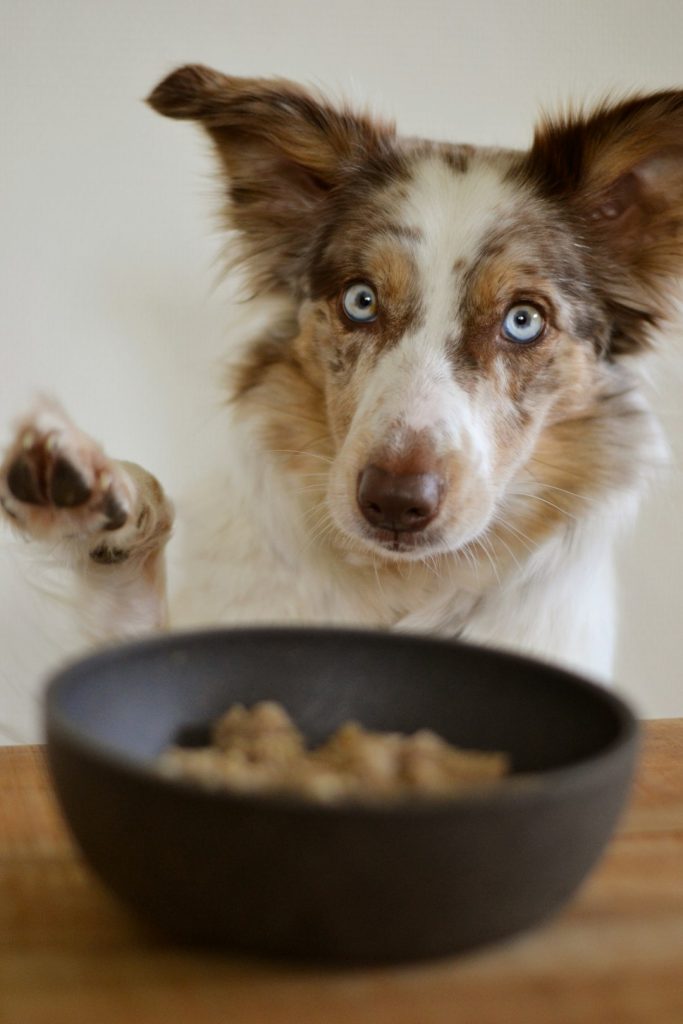
Are you wondering when your playful puppy should start eating adult dog food? It’s a common question that every dog owner faces.
Feeding your puppy the right food at the right time is key to their health and happiness. If you switch too early, your pup might miss out on important nutrients. Wait too long, and they could miss out on the benefits of adult nutrition.
Keep reading to discover the perfect timing for this important change and how to make the transition smooth for your furry friend. Your puppy’s future health depends on it!

Credit: www.youtube.com
Puppy Nutrition Basics
Puppies need special food to grow strong and healthy. Their bodies require more energy and nutrients than adult dogs.
Choosing the right food helps support their development. It also keeps their immune system strong during early life.
Key Nutrients For Growth
Puppies need extra protein to build muscles and tissues. Healthy fats give them energy and help brain growth.
Calcium and phosphorus support strong bones and teeth. Vitamins and minerals keep their organs working well.
- Protein for muscle and tissue growth
- Fat for energy and brain development
- Calcium and phosphorus for bones and teeth
- Vitamins and minerals for overall health
Differences Between Puppy And Adult Food
Puppy food has more calories to meet their high energy needs. It also contains higher levels of protein and fat.
Adult dog food has fewer calories and different nutrient balances. This helps maintain weight and health in grown dogs.
- Puppy food is richer in calories, protein, and fat
- Adult food has fewer calories for weight control
- Puppy food supports fast growth and development
- Adult food supports maintenance and overall health

Credit: www.pethealthclub.com
Signs Puppy Is Ready
Puppies grow fast and change a lot in the first months. Knowing when they can eat adult dog food is important.
Watch for signs that show your puppy is ready for this new food. These signs include how they grow and act.
Physical Growth Indicators
Puppies show they are ready by growing bigger and stronger. Their teeth and weight change a lot.
Look for these signs:
- Most baby teeth are replaced by adult teeth
- Weight reaches about 80% of adult size
- Puppy stops growing rapidly
- Coat looks thicker and shinier
Behavioral Changes
Behavior changes also tell you when to switch foods. Puppies become less needy and more independent.
Watch for these behaviors:
- Puppy eats solid food eagerly
- Shows less interest in nursing or milk
- Chews on toys and food more often
- Has more energy and plays actively
Ideal Transition Age
Knowing when to switch your puppy to adult dog food is important. The right time helps your dog stay healthy and grow well.
This guide covers how breed size and veterinarian advice affect the transition age.
Breed Size Considerations
Different breeds grow at different rates. This affects when they should switch to adult food.
| Breed Size | Growth Period | Transition Age |
|---|---|---|
| Small Breeds | Up to 9 months | 9 to 12 months |
| Medium Breeds | Up to 12 months | 12 months |
| Large Breeds | 12 to 18 months | 12 to 18 months |
| Giant Breeds | 18 to 24 months | 18 to 24 months |
Veterinarian Recommendations
Veterinarians suggest watching your puppy’s growth and health to decide the transition time.
- Check weight and body condition regularly
- Look for signs of slower growth
- Discuss diet changes during vet visits
- Adjust food type if your puppy has special needs
How To Switch Foods
Switching your puppy from puppy food to adult dog food requires care. A sudden change can upset their stomach.
Take time to introduce the new food slowly. Watch your puppy’s reaction during the switch.
Gradual Introduction Steps
Start by mixing a small amount of adult food with puppy food. Increase the adult food portion each day.
- Day 1 to 3: Mix 25% adult food with 75% puppy food.
- Day 4 to 6: Mix 50% adult food with 50% puppy food.
- Day 7 to 9: Mix 75% adult food with 25% puppy food.
- Day 10: Feed 100% adult food.
Managing Digestive Sensitivity
Some puppies may have sensitive stomachs during the food change. Watch for signs like vomiting or diarrhea.
| Symptom | What to Do |
| Loose stools | Reduce new food amount and slow transition |
| Vomiting | Pause switch and consult vet if continues |
| Refusal to eat | Try mixing warm water to soften food |
Common Mistakes To Avoid
Puppies need the right food to grow strong and healthy. Many owners make mistakes when switching to adult dog food.
Here are common errors to avoid for your puppy’s diet. Paying attention will keep your pet happy and well-fed.
Switching Too Early
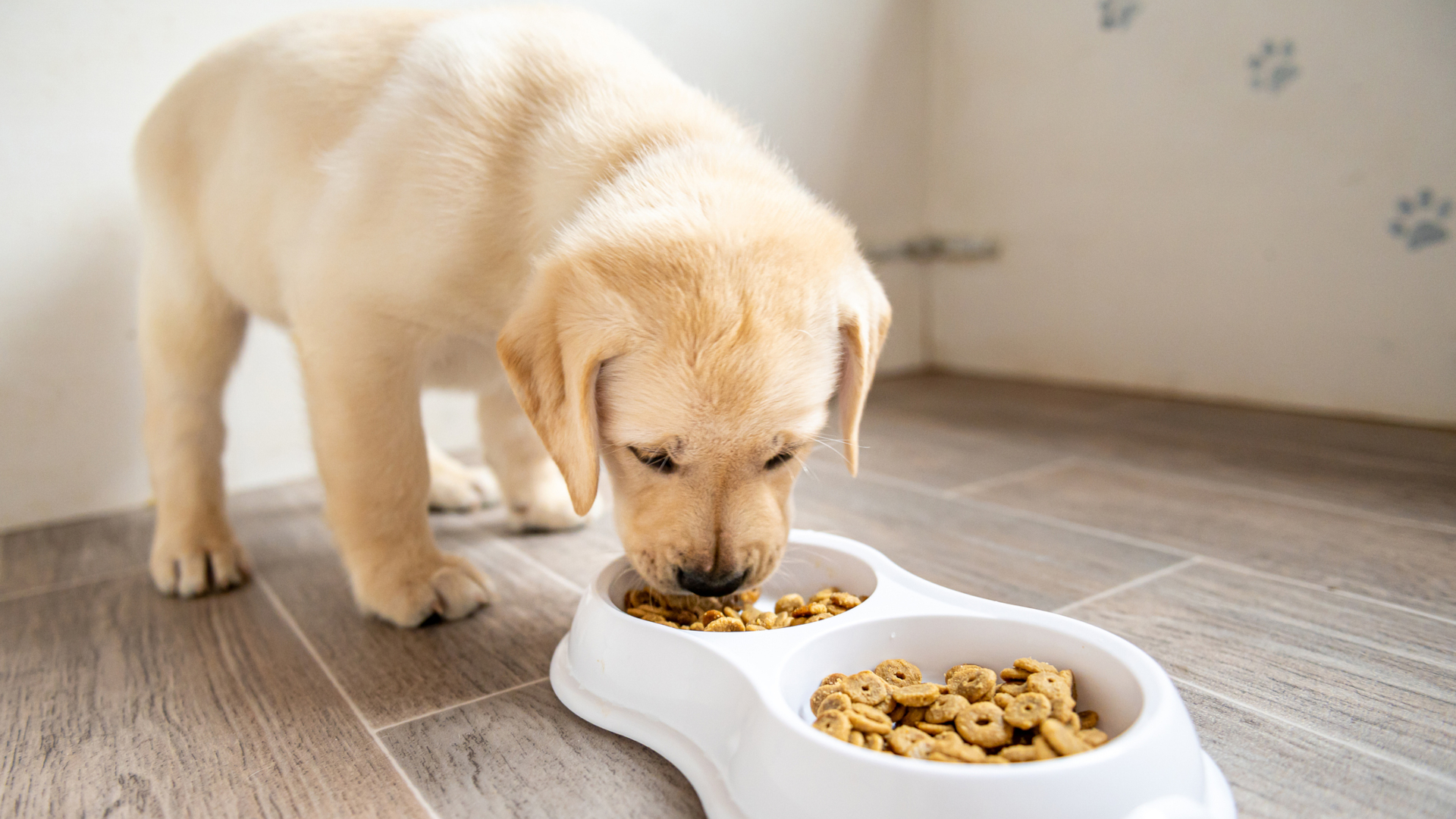
Puppies need special nutrients for their growth. Switching to adult food too early can harm their development.
Most puppies should stay on puppy food until they are 12 months old. Large breeds may need puppy food for up to 18 months.
- Small breeds: 9-12 months
- Medium breeds: 12 months
- Large breeds: 12-18 months
Ignoring Nutritional Needs
Adult dog food lacks certain nutrients that puppies need. Ignoring these needs can lead to poor health.
Puppy food has more protein and fat to support growth. Ensure your puppy receives the right balance of nutrients.
- Check protein and fat content
- Look for essential vitamins and minerals
- Consult your vet for guidance
Credit: www.petsradar.com
Monitoring Puppy’s Health
As puppies grow, their dietary needs change. It’s important to switch them to adult dog food at the right time. Monitoring their health helps determine when they are ready for this transition.
Paying attention to their weight, energy levels, and signs of food intolerance can guide you. This ensures they stay healthy and happy as they grow.
Weight And Energy Levels
Weight gain is normal as puppies grow. A healthy puppy should have a steady weight increase. Too fast or too slow can signal a problem. Watch their energy levels, too. Active puppies are usually healthy puppies.
If they seem sluggish or overly hyper, it might be time to adjust their diet. Adult dog food might be necessary if their energy seems too high or low.
- Regularly weigh your puppy
- Observe their playtime activity
- Adjust food if energy seems off
Signs Of Food Intolerance
Some puppies might have trouble with certain foods. Look for signs like itchy skin, upset stomach, or unusual behavior. These can suggest food intolerance.
Switching to adult dog food can sometimes help, but watch closely. If symptoms persist, consult a vet for advice.
- Notice any skin changes
- Watch for vomiting or diarrhea
- Seek vet advice if unsure
Special Cases
Switching puppies to adult dog food can vary by situation. Some puppies need different care due to health or diet needs.
This section covers special cases for feeding puppies adult dog food safely.
Puppies With Health Issues
Puppies with health problems may need a specific diet. Some health issues require slow changes in food types.
- Consult a vet before switching food
- Use special prescription diets if recommended
- Monitor weight and energy levels closely
- Avoid sudden food changes to prevent upset stomach
Mixed Diet Approaches
Some owners blend puppy food with adult dog food. This helps puppies adjust and get nutrients from both.
| Diet Type | Description | Benefits |
| Gradual Mix | Slowly add adult food to puppy food over weeks | Prevents digestion issues |
| Equal Blend | Feed half puppy and half adult food daily | Balances nutrients and tastes |
| Separate Meals | Feed puppy food in morning, adult food at night | Allows control over portions |
Frequently Asked Questions
When Should Puppies Switch To Adult Dog Food?
Puppies should switch to adult dog food around 12 months old. Large breeds may need up to 18 months. Consult your vet for the best timing based on your puppy’s breed and growth rate.
Can Puppies Eat Adult Dog Food Safely?
Puppies can eat adult dog food after they stop growing. However, adult food lacks essential nutrients for puppies’ development. Always transition gradually and seek vet advice to ensure balanced nutrition.
What Are Signs To Change Puppy Food?
Signs to change puppy food include slowed growth, less energy, and nearing one year. Also, check with your vet if the puppy’s weight is stable and teeth are fully developed.
How To Transition Puppies To Adult Dog Food?
Transition puppies gradually over 7-10 days. Mix increasing amounts of adult food with puppy food. This prevents digestive issues and helps puppies adjust smoothly to new nutrition.
Conclusion
Puppies need puppy food for healthy growth and strong bones. They switch to adult dog food around one year old. Watch your puppy’s size, weight, and energy to know the right time. Gradually change their food over several days to avoid stomach upset.
Choosing the right food helps keep your dog happy and healthy. Always ask your vet if you are unsure about the change. Feeding your dog well sets the stage for a long, active life. Simple steps make feeding easier and better for your puppy’s health.

Emily Barker is the founder of ChillDogLife.com, a space dedicated to helping pup parents discover the best dog products, lifestyle tips, and cozy ideas for happier homes.
A lifelong dog lover, Emily combines her passion for pets with a knack for research to share trusted recommendations on everything from toys and furniture to health and everyday care.
Her goal is simple: to make life easier, stylish, and more joyful for dogs and the people who love them.




