
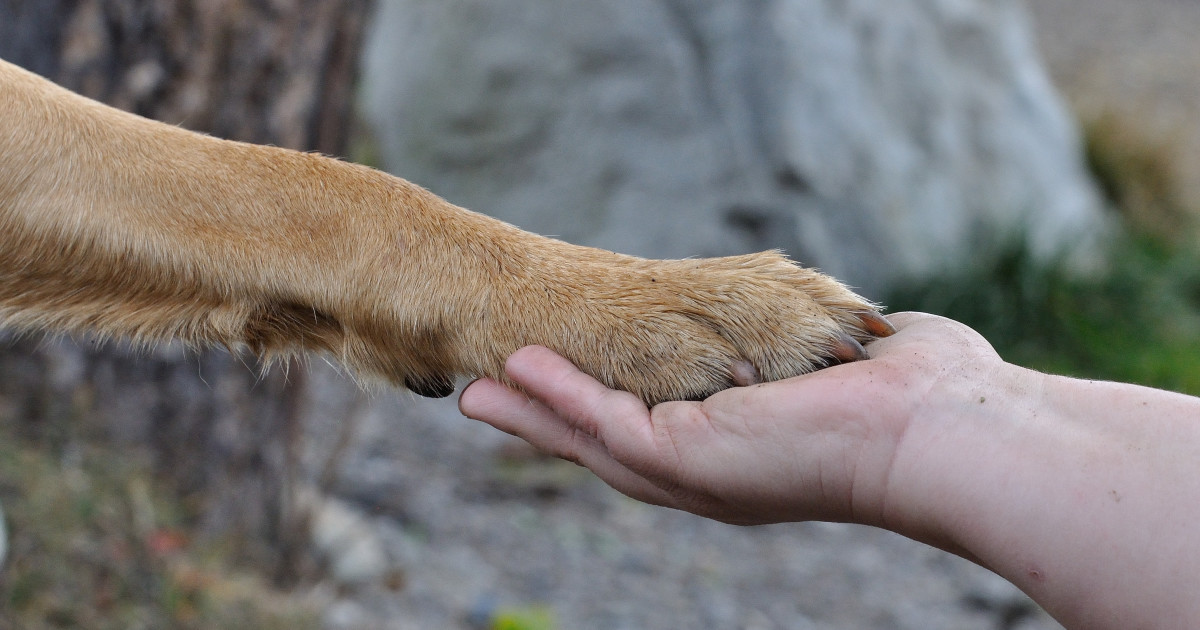
Your dog’s paws are more than just cute—they’re vital to their comfort and health. If you’ve ever noticed your furry friend limping or licking their paws, it might be time to give those paws some extra care.
Grooming dog paws isn’t just about looks; it helps prevent infections, keeps nails at the right length, and protects your dog from rough surfaces. In this guide, you’ll learn simple, effective steps to keep your dog’s paws healthy and happy.
Ready to make paw care a breeze for you and your pet? Let’s dive in!
Credit: pethelpful.com
Preparing For Paw Grooming
Grooming your dog’s paws keeps them clean and healthy. It also prevents injuries and infections. Before you start, prepare everything carefully.
Good preparation makes the grooming session smooth and safe for your dog. Focus on tools, location, and calming your pet first.
Gathering Necessary Tools
Having the right tools ready helps you groom quickly and safely. Each tool has a special use during paw care.
- Dog nail clippers or a grinder
- Styptic powder to stop bleeding
- Pet-safe wipes or a damp cloth
- Brush for cleaning paws
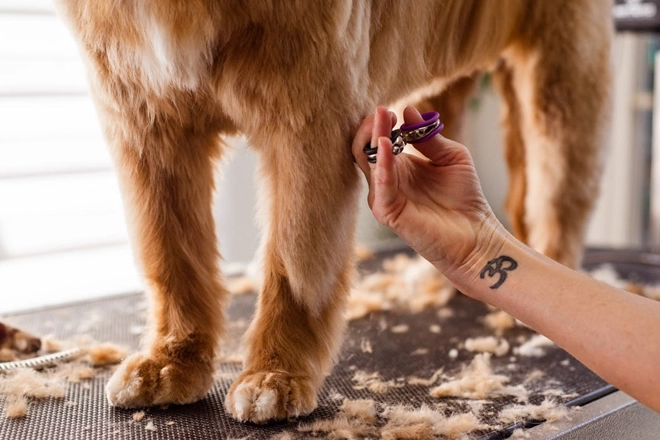
- Small scissors for hair trimming
- Towels to dry wet paws
Choosing The Right Location
Select a quiet and well-lit place for grooming. The area should be comfortable for both you and your dog.
| Location | Why It Works |
| Living room floor | Spacious and familiar |
| Bathroom | Easy to clean up |
| Backyard | Good light and fresh air |
| Pet grooming table | At a comfortable height |
Calming Your Dog
Keep your dog calm before and during grooming. A relaxed dog is easier to handle and less likely to get hurt.
Try these calming tips:
- Give gentle petting and soft words
- Offer a favorite toy or treat
- Play soothing music in the background
- Take short breaks if your dog seems restless
Credit: www.betterpet.com
Inspecting Your Dog’s Paws
Checking your dog’s paws is important for their health. Clean paws help prevent infections and injuries.
Look closely at each paw before grooming. This helps you find problems early.
Checking For Cuts And Irritations
Look carefully for any cuts or scratches on the paw pads and between the toes. Even small cuts can cause pain or infection.
Redness, swelling, or sore spots show irritation. Check these areas daily, especially after walks.
Looking For Foreign Objects
Small objects like thorns, stones, or splinters can get stuck in your dog’s paws. These can hurt or cause infection.
Gently spread the toes and check between them. Remove any debris with care to avoid hurting your dog.
Assessing Nail Length
Check if your dog’s nails are too long. Long nails can cause discomfort and affect walking.
Look at the nails from the side. If they touch the ground, they need trimming.
- Short nails improve paw health
- Long nails can cause joint pain
- Regular trimming keeps nails healthy
Cleaning Dog Paws
Dog paws can collect dirt, mud, and germs from outside. Cleaning them keeps your dog healthy.
Regular paw care prevents infections and discomfort. It also helps you spot injuries early.
Washing With Gentle Solutions
Use warm water and mild soap to wash your dog’s paws. Avoid harsh chemicals that can irritate skin.
Gently rub between the toes and pads to remove dirt. Rinse well to remove all soap.
Drying Properly
After washing, dry the paws carefully with a soft towel. Moisture can cause infections if left.
Check between the toes to make sure all areas are dry. Use a hair dryer on low heat if needed.
Dealing With Dirt And Mud
Remove large dirt or mud clumps before washing. Use a soft brush to loosen stuck debris.
- Use a damp cloth for small spots of dirt
- Wash paws immediately after muddy walks
- Trim hair around paws to reduce mud buildup
Trimming Nails Safely
Trimming your dog’s nails is important for their health and comfort. Proper nail care prevents injuries and helps them walk comfortably.
Learning to trim nails safely is key to avoiding pain or injury. With the right tools and techniques, you can make this process easy and stress-free for both you and your dog.
Selecting The Right Clippers
Choosing the right clippers is important for a smooth trim. Clippers should be sharp and easy to handle.
There are different types of clippers available. Select one that suits your dog’s nail size and thickness.
- Guillotine clippers are good for small to medium dogs.
- Scissor clippers are ideal for larger breeds.
- Electric grinders can smooth out rough edges.
Avoiding The Quick
The quick is the sensitive part of the nail. Cutting it can cause pain and bleeding.
Trim a little at a time to avoid the quick. Look for a clear area before cutting.
- Use a flashlight to see the quick in dark nails.
- Stop trimming when you see a white ring in the nail.
- Keep styptic powder on hand in case of bleeding.
Handling Nervous Dogs
Some dogs are nervous during nail trims. Keep them calm to make the process easier.
Offer treats and praise to help your dog relax. Go slow and take breaks if needed.
- Play soothing music to calm anxiety.
- Use a soft voice to reassure your dog.
- Trim nails after a walk when they are tired.
Caring For Paw Pads
Dog paws need special care to stay healthy. Paw pads protect dogs when they walk and run. Taking care of them helps avoid pain and injury.
Dry, cracked pads can cause discomfort for your dog. You can help keep their paws soft and strong with simple grooming steps.
Moisturizing Dry Pads
Dry paw pads lose moisture and crack. You can moisturize them using safe methods. Use pet-friendly lotions or natural oils to keep pads soft.
- Clean paws gently with warm water
- Dry paws completely before applying moisturizer
- Apply a thin layer of paw-safe balm or oil
- Massage gently to help absorption
- Repeat daily if pads are very dry
Protecting Against Harsh Surfaces
Hot pavements and rough surfaces can hurt your dog’s paws. Protect them by limiting walks during extreme heat or cold. Use dog booties for added safety.
| Surface Type | Risk | Protection Tip |
| Hot Asphalt | Burns pads | Walk in early morning or evening |
| Ice and Snow | Cracks and cold damage | Use booties or paw wax |
| Rough Gravel | Cuts and abrasions | Avoid long walks on gravel |
Using Paw Balms
Paw balms heal and protect paw pads. Choose balms made for dogs. Apply after walks or baths to keep pads healthy.
Tips for using paw balms:
- Apply a small amount on clean paws
- Rub balm evenly over all pads
- Let your dog lick balm if it is safe
- Use regularly in dry or cold weather
Preventing Paw Problems
Dog paws need regular care to stay healthy and strong. Grooming helps stop infections and injuries. You can keep your dog’s paws clean and comfortable with simple steps.
Watch your dog’s paws often. Look for cuts, swelling, or redness. Early care can prevent many common paw problems.
Regular Grooming Schedule
Keep a grooming routine to check and clean your dog’s paws. This helps catch problems early and keeps paws soft.
- Trim hair between paw pads to avoid mats and dirt buildup.
- Clip nails regularly to prevent splitting and pain.
- Clean paws after walks to remove dirt and chemicals.
- Apply paw balm to keep pads soft and prevent cracking.
- Check for signs of irritation or foreign objects.
Seasonal Care Tips
Each season brings different risks for your dog’s paws. Adjust your care to protect them from weather and surfaces.
| Season | Paw Care Tips |
| Winter | Wash paws to remove salt and chemicals. Use balm to prevent cracking. |
| Summer | Check for burns from hot pavement. Avoid long walks in heat. |
| Spring | Inspect for cuts from rough terrain and plant stickers. |
| Fall | Clear debris from paws after walks. Keep nails trimmed. |
When To See A Vet
Some paw issues need professional care. Know when to call your vet to keep your dog safe and healthy.
- Swelling or redness that does not improve in a day.
- Bleeding or deep cuts on the pads or between toes.
- Signs of infection like pus or bad smell.
- Limping or obvious pain when walking.
- Repeated licking or chewing of paws.

Credit: www.youtube.com
Frequently Asked Questions
How Often Should I Groom My Dog’s Paws?
Groom your dog’s paws weekly to maintain cleanliness and health. Regular grooming prevents dirt buildup and detects injuries early. Adjust frequency based on activity level and season for best results.
What Tools Do I Need For Dog Paw Grooming?
You need nail clippers, a soft brush, paw balm, and a towel. These tools help trim nails, clean fur, moisturize pads, and dry paws after cleaning.
How Do I Safely Trim My Dog’s Paw Hair?
Use blunt-tipped scissors or clippers designed for pets. Trim carefully around the paw pads to avoid cutting skin. Regular trimming prevents dirt and debris accumulation.
Why Is Moisturizing My Dog’s Paw Pads Important?
Moisturizing prevents dry, cracked pads, especially in extreme weather. Use pet-safe balms to keep pads soft and healthy. It helps avoid pain and infections.
Conclusion
Taking care of your dog’s paws keeps them healthy and happy. Regular grooming stops dirt and injuries. Trim nails carefully to avoid pain. Clean between the pads to prevent infections. Check paws often for cuts or swelling. Gentle care builds trust and comfort.
Healthy paws help dogs run and play freely. Simple steps make a big difference every day. Start a paw care routine today for your furry friend.

Emily Barker is the founder of ChillDogLife.com, a space dedicated to helping pup parents discover the best dog products, lifestyle tips, and cozy ideas for happier homes.
A lifelong dog lover, Emily combines her passion for pets with a knack for research to share trusted recommendations on everything from toys and furniture to health and everyday care.
Her goal is simple: to make life easier, stylish, and more joyful for dogs and the people who love them.




