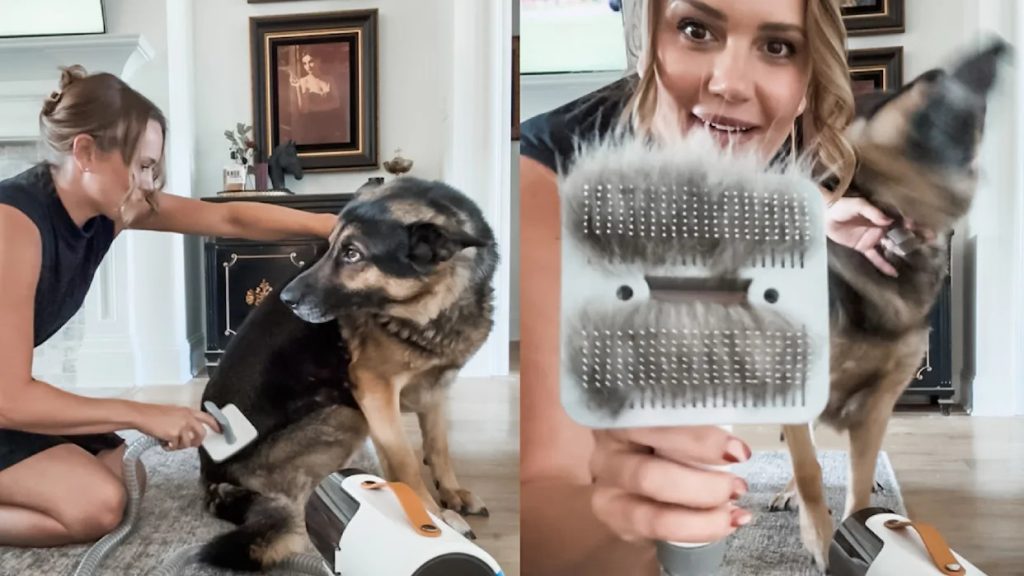
Grooming your dog at home can save you time and money while keeping your furry friend happy and healthy. But if you’re not sure where to start, it might feel overwhelming.
What tools do you need? How often should you groom? And how do you keep your dog calm during the process? This guide will walk you through simple, step-by-step tips to make grooming easy and stress-free for both you and your dog.
By the end, you’ll have the confidence to keep your pet looking and feeling their best—all from the comfort of your home. Keep reading to discover how to turn grooming into a bonding experience you both enjoy.

Credit: freyathecockapoo.com
Tools You Need
Grooming your dog at home needs the right tools. These help keep your dog clean and healthy.
Using proper tools makes grooming easier and more comfortable for your pet. Here are the main tools you need.
Brushes And Combs
Brushes and combs remove loose hair and prevent mats. Choose the right one for your dog’s coat type.
- Slicker brushes work well for long or curly hair.
- Bristle brushes suit short-haired dogs.
- Metal combs help untangle knots gently.
- Pin brushes are good for thick coats.
Clippers And Scissors
Clippers and scissors trim your dog’s fur. Clippers are faster, while scissors help detail small areas.
| Tool | Use |
| Electric Clippers | Cut large fur areas quickly |
| Thinning Scissors | Blend and shape fur smoothly |
| Straight Scissors | Trim precise spots like paws and face |
Shampoos And Conditioners
Choose shampoos made for dogs. Conditioners keep fur soft and reduce tangles. Use products for your dog’s skin type.
Tips for choosing shampoo and conditioner:
- Pick hypoallergenic formulas for sensitive skin
- Use oatmeal-based shampoo to soothe itching
- Avoid human shampoos to protect your dog's skin
Other Essentials
Other tools help with grooming and comfort. These include nail clippers, ear cleaners, and towels.
- Nail clippers keep nails short and safe.
- Ear cleaners remove dirt and prevent infection.
- Towels dry your dog after baths.
- Styptic powder stops nail bleeding if clipped too short.

Credit: www.petsuitesofamerica.com
Preparing Your Dog
Grooming your dog at home can be a calm and easy experience. Preparing your dog well helps the process go smoothly. Start by setting up the right place, calming your pet, and getting all tools ready.
These steps help your dog feel safe and comfortable before grooming begins.
Choosing The Right Location
Pick a quiet, well-lit area with enough space. Avoid spots with loud noises or distractions. A flat surface helps keep your dog steady. You can use a grooming table or a clean floor with a non-slip mat.
- Choose a room with good lighting
- Use a non-slip mat to keep your dog safe
- Find a space with minimal distractions
- Keep the area clean and tidy
Calming Your Dog
Dogs feel more relaxed when they know what to expect. Talk softly and use gentle touches. Allow your dog to sniff and explore the grooming area before starting. Short breaks during grooming help keep calm.
| Calming Method | How It Helps |
| Soft Talking | Reassures your dog |
| Gentle Petting | Reduces stress |
| Short Breaks | Prevents anxiety |
| Familiar Toys | Comforts your dog |
Gathering Supplies
Have all your grooming tools ready before you start. This saves time and keeps your dog from getting restless. Check that brushes, combs, shampoo, and towels are clean and easy to reach.
- Brush and comb for your dog’s coat type
- Dog-friendly shampoo
- Towels for drying
- Nail clippers or grinder
- Grooming scissors for trimming
Brushing And Detangling
Grooming your dog keeps their coat healthy and clean. Brushing removes dirt and loose hair.
Detangling stops mats from forming and makes your dog more comfortable. Both are key to good grooming.
Brushing Techniques
Use the right brush for your dog’s coat type. Brushing gently helps avoid hurting your pet.
Start brushing from the head and move toward the tail. Brush small sections at a time for best results.
- Brush in the direction of hair growth
- Use long, smooth strokes
- Be gentle near sensitive areas like the belly and legs
- Brush regularly to prevent tangles
Handling Mats And Tangles
Check your dog’s coat often for mats and tangles. These can cause pain and skin problems.
Work on mats carefully to avoid pulling your dog’s hair. Use your fingers or a mat splitter first.
- Hold the fur close to the skin to protect the skin
- Gently tease apart mats with your fingers
- Use a detangling spray if needed
- Cut mats only as a last option and be very careful
Bathing Tips
Bathing your dog at home helps keep them clean and healthy. It also strengthens your bond with your pet.
Use the right tools and gentle care to make bath time safe and pleasant for your dog.
Water Temperature And Setup
Use warm water that feels comfortable to your wrist. Cold or hot water can upset your dog.
Set up the bath area with non-slip mats to keep your dog steady. Prepare towels and shampoo nearby.
- Test water before bathing
- Use a gentle spray or cup to wet your dog
- Keep bath supplies within reach
- Ensure good lighting and ventilation
Proper Shampooing
Choose a shampoo made for dogs to avoid skin irritation. Avoid human shampoos because they can be too harsh.
Apply shampoo evenly and massage it gently into your dog’s coat. Be careful around eyes and ears.
- Wet your dog’s coat fully before shampooing
- Use a small amount of shampoo
- Massage shampoo from neck to tail
- Rinse well to remove all soap
Drying Methods
Use a towel to remove most water right after the bath. Pat your dog dry instead of rubbing hard.
For dogs that tolerate it, use a pet-safe blow dryer on a low, cool setting. Keep it moving to avoid overheating.
- Use absorbent towels designed for pets
- Dry ears and paws carefully
- Keep your dog warm during drying
- Brush coat while drying to prevent tangles
Trimming And Clipping
Grooming your dog at home helps keep them clean and comfortable. Trimming and clipping are key parts of grooming. They shape the coat and prevent mats and tangles.
Using the right tools and techniques makes grooming safe and effective. This guide covers safe clipper use, scissor skills, and coat shaping tips.
Safe Clipper Use
Always check your clippers before grooming. Clean and oil the blades to keep them sharp. Use the correct blade size for your dog’s coat type.
- Start on a low speed to avoid pulling hair.
- Keep the clipper blade flat against the skin.
- Work in the direction of hair growth.
- Take breaks to prevent overheating the clipper.
- Watch for signs of skin irritation or cuts.
Scissor Techniques
Scissors give you control for trimming areas clippers can’t reach. Use sharp grooming scissors only. Hold the scissors steady and cut small amounts at a time.
- Comb the hair to remove tangles.
- Trim around the paws and face carefully.
- Use thinning scissors to blend thick coats.
- Cut in small snips to avoid mistakes.
- Keep the dog calm by speaking softly during trimming.
Shaping The Coat
Shaping the coat means cutting hair to match the dog’s breed style or your preference. It also helps keep the coat clean and healthy.
| Coat Type | Recommended Blade Size | Scissor Use | Shaping Tips |
|---|---|---|---|
| Short Hair | 10 or 15 | Minimal, mostly clipper use | Clip close for a neat finish |
| Medium Hair | 30 or 40 | Use scissors for trimming edges | Trim around ears and paws carefully |
| Long Hair | Use clippers sparingly | Scissors for shaping and thinning | Shape coat to avoid mats and tangles |
Nail And Ear Care
Grooming your dog at home can be rewarding. Two key areas are nail and ear care. Keeping them clean and trimmed helps your dog stay healthy.
In this guide, learn how to trim nails safely and clean ears properly. These tasks are simple with the right approach.
Trimming Nails Safely
Trimming your dog’s nails is important. Long nails can cause discomfort and health issues. Follow these steps to trim them safely.
- Choose a quiet place to work.
- Use dog nail clippers or a grinder.
- Hold the paw gently but firmly.
- Cut a small portion of the nail at a time.
- Avoid cutting the quick, the sensitive part inside the nail.
Cleaning Ears
Regular ear cleaning prevents infections. Dogs with floppy ears need extra care. Use a gentle approach to clean their ears.
| Cotton balls | Ear cleaning solution |
| Towel | Warm water |
Apply the cleaning solution to a cotton ball. Gently wipe the ear flap and around the ear canal. Do not insert anything deep into the ear.
Finishing Touches
Finishing touches make your dog grooming job complete. These details help your dog look neat and stylish.
Pay attention to the final coat and add accessories for a polished look. Your dog will feel clean and happy.
Brushing Final Coat
Brushing the final coat removes loose hairs and adds shine. Use a soft brush that suits your dog’s fur type.
Brush in the direction of hair growth. This helps prevent tangles and keeps the coat smooth.
- Brush gently to avoid hurting your dog
- Focus on areas like the neck and tail
- Check for any remaining knots
Adding Accessories
Accessories add flair to your dog’s appearance. Choose items that are comfortable and safe.
Consider adding a collar or a bow. These can highlight your dog’s personality and style.
- Choose non-toxic, pet-safe materials
- Ensure the accessory fits well
- Remove accessories during playtime
Common Mistakes To Avoid
Grooming your dog at home can be rewarding. It saves money and helps bond with your pet.
Still, mistakes can cause discomfort or harm. Learn what to avoid to keep grooming safe and easy.
Using The Wrong Tools
Each dog needs specific brushes and clippers. Using the wrong tool can hurt your dog or make grooming hard.
Choose tools that fit your dog’s coat type. Ask a vet or groomer if unsure.
Cutting Hair Too Short
Cutting hair too close to the skin can cause irritation or cuts. It also removes natural protection from sun and bugs.
Keep hair at a safe length. Trim slowly and check often.
Skipping Regular Brushing
Not brushing often lets mats and tangles build up. These can hurt your dog and make grooming painful.
- Brush daily for long-haired dogs
- Brush weekly for short-haired dogs
- Use the right brush for your dog’s coat
Ignoring Sensitive Areas
Many skip grooming the ears, paws, and under tail. These areas need care to avoid infections and discomfort.
| Area | Common Issue | Grooming Tip |
|---|---|---|
| Ears | Wax build-up, infection | Clean gently with vet-approved solution |
| Paws | Matting, dirt | Trim hair and check pads regularly |
| Under Tail | Matting, odor | Trim hair and keep clean |
Not Checking For Skin Issues
Skipping skin checks misses problems like fleas, ticks, or rashes. These need quick attention to keep your dog healthy.
Look for redness, bumps, or hair loss during grooming sessions.
Maintaining Grooming Routine
Grooming your dog regularly keeps them healthy and happy. A steady routine helps prevent skin and coat problems.
Consistent care makes grooming easier for you and your dog over time.
Scheduling Regular Sessions
Set a fixed grooming schedule that fits your dog’s needs. Some dogs need grooming weekly, others monthly.
Choose a quiet time when your dog feels calm. This helps make grooming a positive experience.
- Pick a day and time that works for you both
- Keep sessions short at first
- Gradually increase grooming time as your dog gets used to it
- Use reminders to stay consistent
Monitoring Your Dog’s Skin And Coat
Check your dog’s skin and coat during each grooming session. Look for dryness, redness, or bumps.
Healthy skin and fur show your dog is well cared for. Early spotting of problems helps prevent bigger issues.
- Look for fleas, ticks, or signs of irritation
- Note any hair loss or unusual patches
- Use a soft brush to feel for lumps or bumps
- Keep an eye on coat shine and texture

Credit: creators.yahoo.com
Frequently Asked Questions
How Often Should I Groom My Dog At Home?
Groom your dog every 4 to 6 weeks to maintain coat health. Regular brushing prevents mats and reduces shedding. Bathing frequency depends on breed and activity but usually once a month works well.
What Tools Do I Need For Dog Grooming?
Essential tools include a slicker brush, comb, nail clippers, and dog shampoo. Clippers and scissors help with trimming. Choose tools based on your dog’s coat type for best results.
How Can I Safely Trim My Dog’s Nails?
Use sharp dog nail clippers and trim small amounts at a time. Avoid cutting the quick, which causes pain and bleeding. If unsure, seek guidance from a professional groomer or vet.
What Is The Best Way To Bathe My Dog?
Use lukewarm water and dog-specific shampoo to avoid skin irritation. Rinse thoroughly to remove all soap. Dry your dog with a towel or blow dryer on low heat to prevent chills.
Conclusion
Grooming your dog at home builds trust and saves money. Regular care keeps your pet healthy and happy. Use gentle tools and take breaks when needed. Watch your dog’s reactions to stay calm and safe. Practice makes grooming easier for both of you.
Enjoy this special time together. Start small, and soon grooming will become a simple routine. Your dog will thank you with a shiny coat and bright eyes. Keep learning and caring with love.

Emily Barker is the founder of ChillDogLife.com, a space dedicated to helping pup parents discover the best dog products, lifestyle tips, and cozy ideas for happier homes.
A lifelong dog lover, Emily combines her passion for pets with a knack for research to share trusted recommendations on everything from toys and furniture to health and everyday care.
Her goal is simple: to make life easier, stylish, and more joyful for dogs and the people who love them.




